
A Familiar Virus, A New Crisis
In May 2026, the World Health Organization (WHO) declared the latest Ebola outbreak in the Democratic Republic of the Congo (DRC) and Uganda a Public Health Emergency of International Concern (PHEIC) — the highest alarm level under international health regulations.
The declaration came unusually fast. Unlike previous emergencies, WHO Director-General Tedros Adhanom Ghebreyesus issued the alert before convening a formal emergency committee, reflecting the urgency and uncertainty surrounding the outbreak.
At the center of the crisis is a rare strain known as the Bundibugyo ebolavirus, a variant that has appeared only twice before — once in Uganda in 2007 and again in eastern Congo in 2012. Unlike the more common Zaire strain, there are currently no approved vaccines or therapeutics specifically designed for Bundibugyo.
That single fact has transformed what might have been a regional outbreak into a major global concern.
The Numbers Behind the Outbreak
According to WHO and Africa CDC data released between May 15 and May 17:
- More than 300 suspected cases have been identified
- Between 80 and 88 deaths have been reported
- At least 8 laboratory-confirmed infections have been verified
- Cross-border transmission has already reached Uganda
- Cases linked to travel have appeared in Kampala, Goma, and possibly Kinshasa
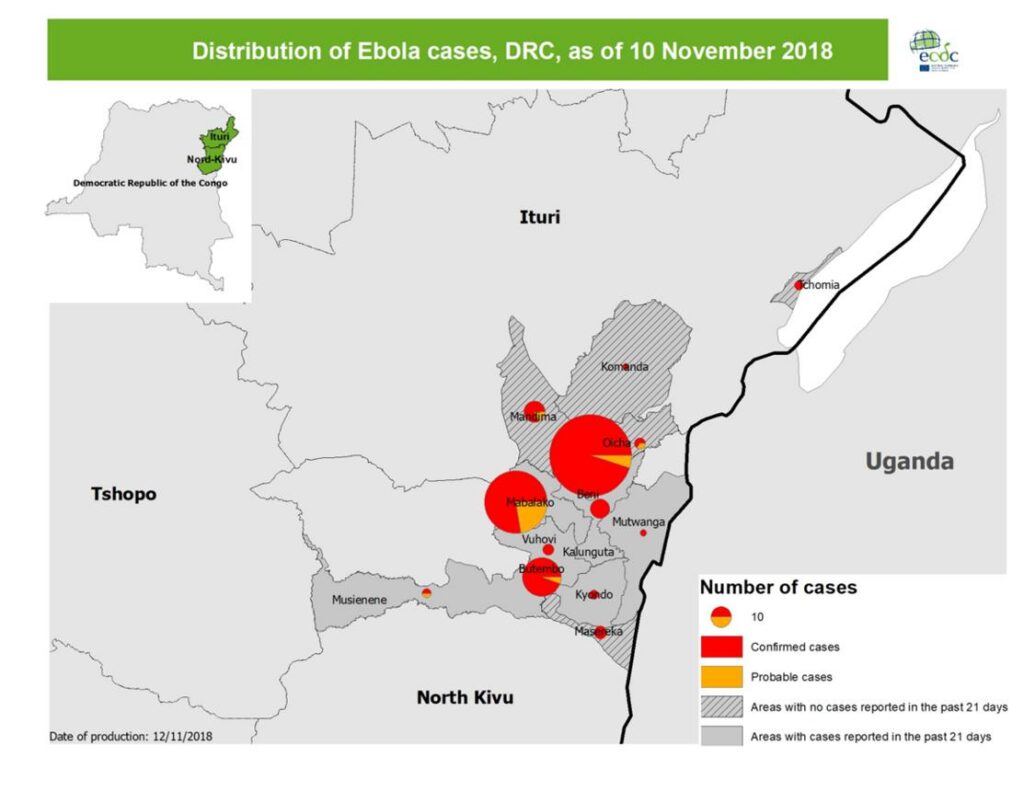
The outbreak’s epicenter lies in Ituri Province in northeastern DRC, particularly around mining communities such as Mongbwalu and Rwampara. These regions face chronic instability, weak medical infrastructure, and armed conflict — conditions that make outbreak control extraordinarily difficult.
Health officials fear the official figures may represent only a fraction of actual infections.
WHO noted that eight out of the first 13 collected samples tested positive — an unusually high positivity rate suggesting far wider community spread.
Why This Outbreak Is Different
1. The Virus Strain Is Rare and Poorly Understood
The Bundibugyo strain was first identified in western Uganda in 2007. Compared with the Zaire strain responsible for the catastrophic West African epidemic of 2014–2016, scientists have far less clinical data and fewer treatment tools available.
Most modern Ebola vaccines — including the highly effective Ervebo vaccine — were developed against the Zaire species and may not provide sufficient protection against Bundibugyo.
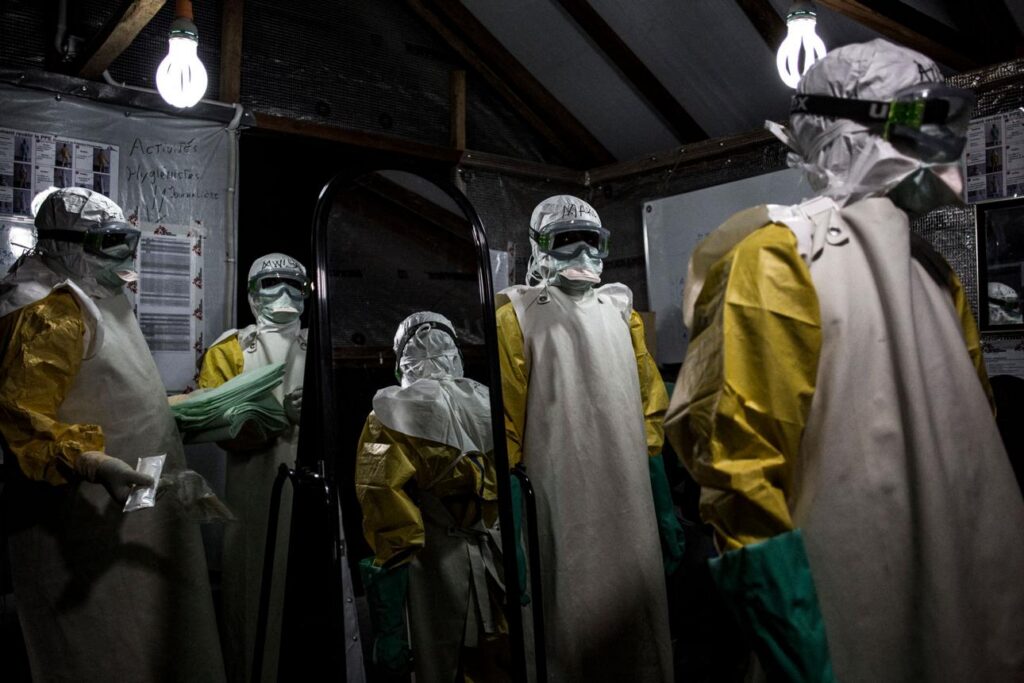
This means health workers are confronting a deadly hemorrhagic virus without the pharmaceutical safety net built during previous Ebola responses.
2. Conflict Zones Complicate Containment
Eastern Congo has spent years trapped in overlapping humanitarian crises:
- Armed rebel movements
- Massive population displacement
- Informal mining economies
- Weak healthcare systems
- Limited disease surveillance
WHO and Africa CDC officials say mobility between mining towns and neighboring countries is accelerating transmission risks.
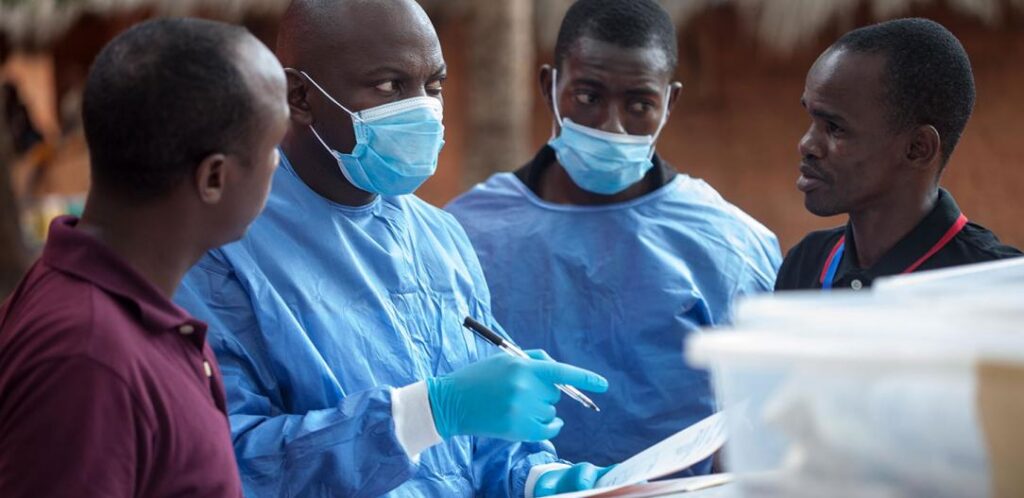
In conflict areas, contact tracing becomes nearly impossible. Patients often avoid hospitals, and healthcare workers face security threats while trying to isolate cases.
Several healthcare workers have already reportedly died after exposure to suspected Ebola patients.
3. Urban Spread Raises Global Risks
Historically, Ebola outbreaks remained relatively contained in rural regions. But the 2026 outbreak has already reached major transportation hubs.
The confirmation of cases in Kampala and Goma worries epidemiologists because both cities are heavily connected through regional trade and international travel routes.
Urban outbreaks dramatically increase the possibility of:
- International exportation
- Overwhelmed hospitals
- Faster transmission chains
- Panic-driven migration
WHO stressed that the event does not yet qualify as a pandemic, but officials acknowledge that international spread is already occurring.
Lessons From the 2014 West Africa Disaster
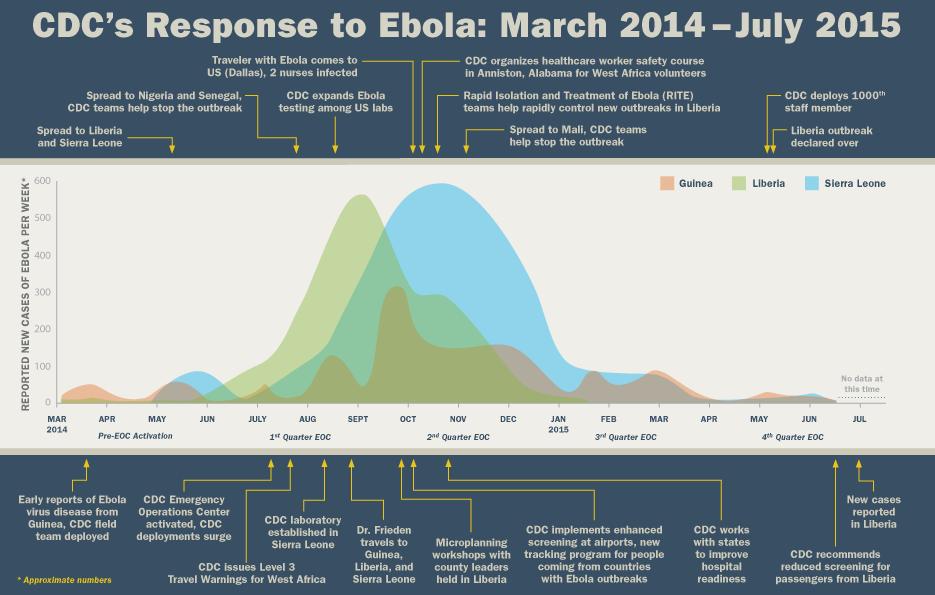
The current emergency has revived painful memories of the 2014–2016 Ebola epidemic in West Africa, which infected more than 28,000 people and killed over 11,000 across Liberia, Sierra Leone, and Guinea.
That epidemic exposed serious global failures:
- Slow international response
- Weak public health infrastructure
- Vaccine shortages
- Lack of medical coordination
- Misinformation and public distrust
Many experts believe the world improved its Ebola preparedness after 2016. However, the 2026 outbreak is testing whether those lessons truly translated into stronger systems.
The difference now is speed:
- WHO issued emergency declarations much earlier
- Africa CDC mobilized regional coordination within days
- International surveillance systems activated rapidly
Yet experts warn that speed alone may not be enough without funding, vaccines, and local trust.
The Human Dimension
Beyond statistics, Ebola outbreaks devastate communities psychologically and economically.
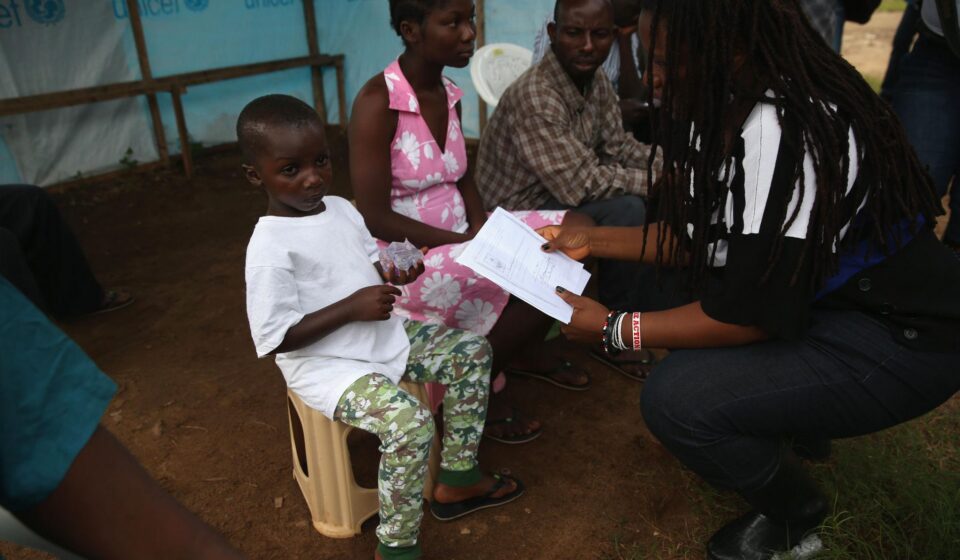
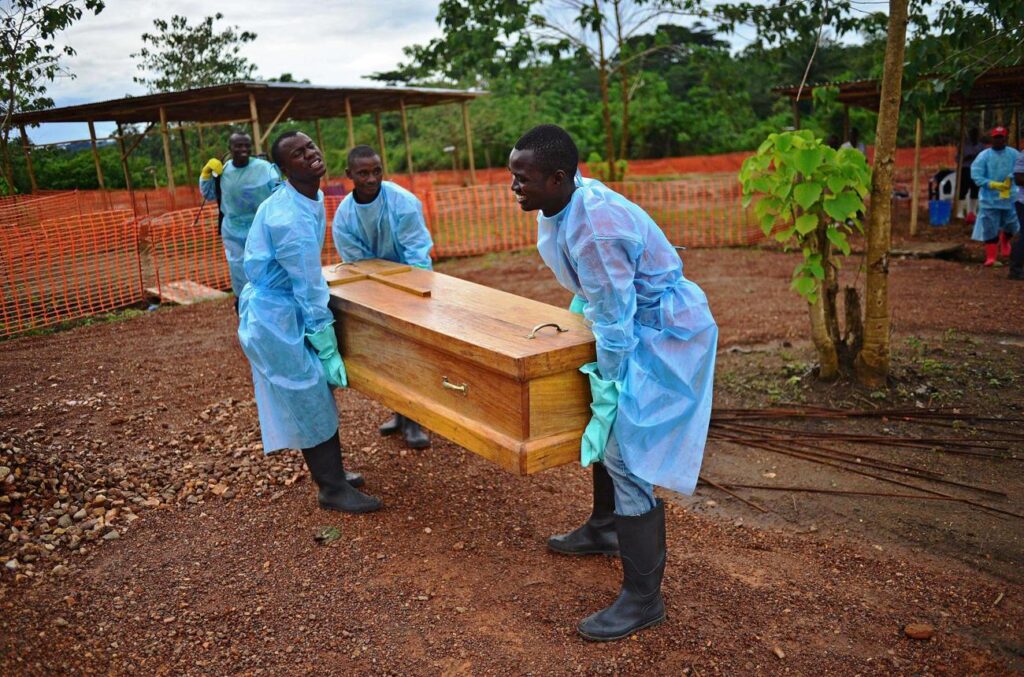
Families often cannot safely bury loved ones according to traditional customs. Schools close. Markets collapse. Fear spreads faster than the virus itself.
In affected areas of Congo, residents described daily burials and growing panic as healthcare systems struggle to keep pace.
Ebola survivors can also experience long-term complications known as “post-Ebola syndrome,” including:
- Chronic fatigue
- Vision problems
- Neurological symptoms
- Mental health trauma
The outbreak therefore represents not only a medical emergency, but also a social and economic crisis for already fragile communities.
What Happens Next?
Global health agencies are now focused on five urgent priorities:
- Expanding laboratory testing
- Accelerating contact tracing
- Strengthening border surveillance
- Developing Bundibugyo-targeted vaccines and treatments
- Preventing urban transmission chains
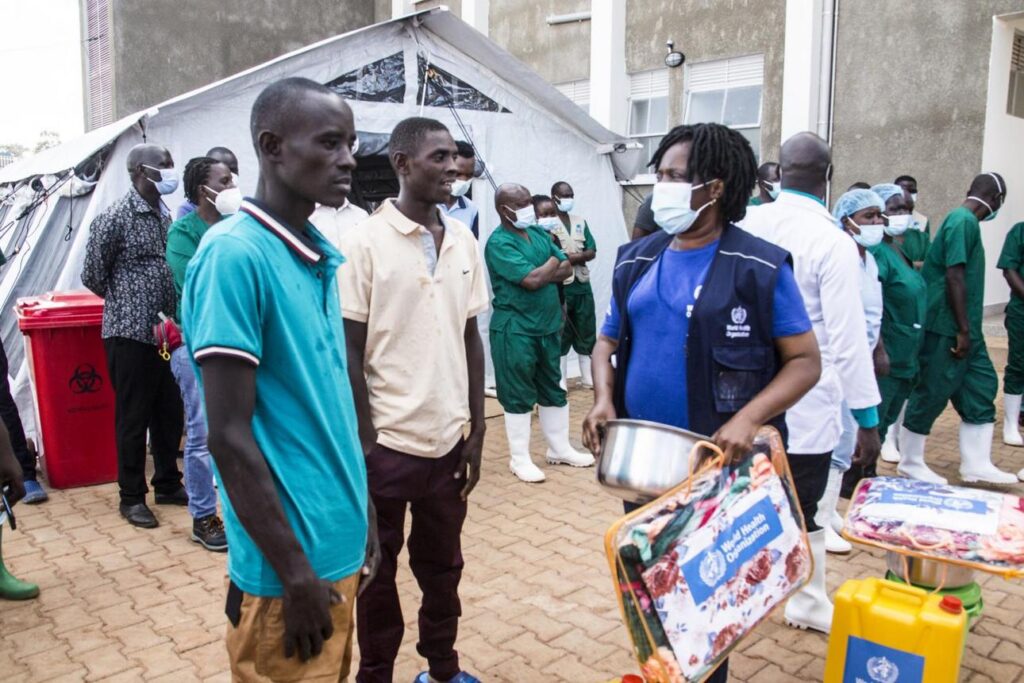
WHO has deployed emergency personnel and medical supplies into eastern Congo, while neighboring countries are increasing airport and border screenings.
For now, health officials emphasize that Ebola spreads through direct contact with infected bodily fluids — not through airborne transmission like COVID-19.
Still, the combination of a rare virus strain, conflict zones, weak healthcare infrastructure, and regional mobility has created one of the most unpredictable Ebola emergencies in years.
Whether the outbreak becomes another contained regional crisis — or a broader international catastrophe — may depend on how quickly the world responds over the next several weeks.