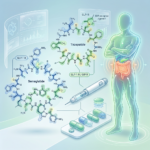
Nootropics and Brain Health: The Science Behind the Cognitive Enhancement Movement
The desire for a sharper mind is as old as civilization itself — but in 2026, the cognitive enhancement movement has evolved from coffee and energy drinks into a multi-billion-dollar industry of nootropics, smart drugs, functional foods, and digital brain-training platforms. From Silicon Valley executives microdosing psychedelics to students using prescription stimulants off-label, from adaptogenic mushroom coffees to personalized supplement stacks, the quest for cognitive optimization has never been more mainstream. But what does the science actually say about enhancing brain function — and where is the line between evidence-based intervention and expensive placebo?
Defining the Landscape: What Counts as a Nootropic?
The term “nootropic” was coined in 1972 by Romanian chemist Corneliu Giurgea to describe substances that enhance learning and memory while being safe and neuroprotective. His original definition set a high bar: a true nootropic should enhance cognitive function, protect the brain from injury, have few side effects, and not be sedating or stimulating in the way that classic psychoactive drugs are. By that strict definition, the list of true nootropics is short.
In practice, the term has expanded to encompass everything from caffeine (the world’s most widely consumed psychoactive substance and arguably the most effective nootropic for most people) to prescription medications like modafinil and methylphenidate, dietary supplements like creatine and omega-3 fatty acids, herbal preparations like Bacopa monnieri and Rhodiola rosea, and even experimental interventions like transcranial direct current stimulation (tDCS). The common thread is the goal of cognitive enhancement — improving memory, focus, creativity, executive function, or processing speed beyond an individual’s baseline.
The Evidence-Based Tier
Among the hundreds of substances marketed for cognitive enhancement, only a handful have robust evidence from human randomized controlled trials. Caffeine, particularly when combined with L-theanine (an amino acid found in green tea), consistently improves attention, reaction time, and alertness, with the combination reducing the jitteriness and anxiety that caffeine alone can produce. The evidence is strong enough that caffeine+L-theanine is widely considered the most reliable and well-tolerated nootropic stack available without a prescription.
Omega-3 fatty acids — particularly DHA (docosahexaenoic acid) — are structural components of brain cell membranes with well-documented roles in neurodevelopment and cognitive maintenance. While supplementation in healthy young adults shows limited cognitive benefits, the evidence for cognitive protection in aging populations is stronger, particularly for individuals with low baseline omega-3 intake. Creatine, best known as a muscle-building supplement, also plays a critical role in brain energy metabolism and has demonstrated cognitive benefits in conditions of sleep deprivation, mental fatigue, and aging — situations where brain energy demands outstrip supply.
Bacopa monnieri, an Ayurvedic herb, has multiple randomized trials demonstrating modest improvements in memory formation and recall, though effects typically take 8-12 weeks to manifest. Rhodiola rosea, an adaptogenic herb, shows evidence for reducing mental fatigue and improving cognitive performance under stress. Both have safety profiles that are well-characterized from traditional use, but quality control in commercial supplements varies dramatically.
Prescription Cognitive Enhancers: Promise and Peril
The off-label use of prescription stimulants for cognitive enhancement — particularly among students and professionals — represents one of the most ethically complex dimensions of the nootropic landscape. Methylphenidate (Ritalin) and mixed amphetamine salts (Adderall) reliably improve attention and focus in individuals with ADHD, but their cognitive-enhancing effects in healthy individuals are less impressive than commonly believed. Studies suggest that stimulants improve perceived cognitive performance more than actual performance — users feel sharper, but objective measures show marginal gains in most domains and potential impairment in creative thinking and cognitive flexibility.
Modafinil, a wakefulness-promoting agent prescribed for narcolepsy, has stronger evidence for cognitive enhancement in sleep-deprived individuals and some evidence for benefits in healthy, well-rested people, particularly on complex executive function tasks. However, it is not approved for cognitive enhancement, and its long-term safety profile in healthy users has not been established. The ethical questions are significant: if these drugs confer genuine competitive advantages in academic or professional settings, does that create a pressure to use them that undermines authentic choice?
Adaptogens, Functional Foods, and the Gut-Brain Axis
Functional foods and beverages targeting brain health represent one of the fastest-growing segments of the nootropic market. Lion’s mane mushroom (Hericium erinaceus) has attracted particular attention for its potential to stimulate nerve growth factor (NGF) production, with preliminary studies suggesting benefits for mild cognitive impairment — though high-quality human trials remain limited. Adaptogenic mushrooms (reishi, cordyceps, chaga) are positioned as stress-modulating brain supporters, with plausible biological mechanisms but limited direct cognitive evidence in humans.
The gut-brain axis has opened an entirely new dimension of cognitive enhancement research. The recognition that the gut microbiome influences brain function through neural, immune, and metabolic pathways has led to interest in psychobiotics — probiotics that may improve mental health and cognitive function. While specific strains show promise for mood and anxiety in preliminary studies, the evidence for cognitive enhancement in healthy populations is nascent. The field is moving fast, but the gap between preliminary findings and reliable consumer recommendations remains wide.
Digital Cognitive Training and Neurotechnology
Beyond supplements and pharmaceuticals, the cognitive enhancement landscape increasingly includes digital interventions. Cognitive training apps (BrainHQ, Lumosity, Elevate) have shown mixed results: they reliably improve performance on the specific tasks they train, but evidence for far transfer — improvement in real-world cognitive function — is limited. The most promising digital interventions target not general cognitive ability but specific domains like working memory or processing speed, and they combine training with physical exercise, which consistently shows stronger cognitive benefits than either intervention alone.
Neurofeedback — training individuals to modulate their own brain activity using real-time EEG feedback — has been studied for ADHD and anxiety with promising but inconsistent results. The technology has improved substantially, and home-use devices are now available, but the evidence base has not kept pace with the commercialization. Similarly, non-invasive brain stimulation techniques like tDCS show intriguing laboratory results but have not demonstrated reliable real-world cognitive benefits in healthy users.
The Bottom Line
The nootropic landscape in 2026 is characterized by a massive gap between marketing claims and scientific evidence. The interventions with the strongest evidence for cognitive health are also the least exciting: regular cardiovascular exercise (which increases BDNF, promotes neurogenesis, and improves cerebral blood flow), adequate sleep (during which memory consolidation and synaptic pruning occur), a Mediterranean-style diet rich in omega-3s and polyphenols, stress management, social connection, and lifelong learning. These lifestyle factors collectively exert far greater influence on cognitive function than any supplement on the market.
For those who want to go beyond the fundamentals, the evidence-based tier is relatively narrow: caffeine+L-theanine for attention and alertness, creatine for cognitive performance under fatigue or sleep deprivation, omega-3s for long-term brain health (particularly in aging populations), and Bacopa monnieri for memory with patience for slow onset. Beyond these, the consumer enters a territory where hope, anecdote, and marketing outrun the evidence — and where the most powerful cognitive enhancer is simply taking care of the brain you already have.